It is reasonable, two-and-a-half years after the CS2 launch, to do a proper state-of-the-game piece. Most of us did one in the first six months and another at the one-year mark, both of which aged poorly. This one will try to.
The engine: finally delivering
The Source 2 engine had a rough first eighteen months. Sub-tick was technically real but produced odd hit-registration artefacts on high-ping servers; the lighting model was strictly worse than CS:GO for the first six months; the smoke physics, while impressive, introduced timing edge-cases that pros learned to exploit and then to complain about being exploited against them. Most of that is fixed. The current state of the engine — patched through to the May update — is genuinely better than CS:GO was at its peak. The sub-tick implementation is now stable and visually identical to instant-fire. The lighting is now better than CS:GO. Smokes have settled into a defensible default that everyone has adapted to.
This is the longest period of pro players openly admitting the engine is fine since the game launched. Take the win.
The maps: stuck
Map pool rotation has slowed to a near-halt. Cache returned in Q3 2025 to general approval and has stayed. Beyond that, the active-duty pool has been the same combination for thirteen months. Two new community submissions made it into a competitive-eligible state late last year and neither has been picked up for the rotation. The reason, as best anyone outside Valve can tell, is that the design bar Valve are applying for new map admissions has tightened. There are good arguments both for and against this; what is harder to argue is that thirteen months on the same pool is healthy for viewership variety.
The economy: broken
The case-and-skin economy is the bit of CS2 that is in genuine bad shape, and it is the bit Valve seem least willing to discuss publicly. The Riptide case glut of late 2024 produced the predictable price collapse. The two cases that have launched since have been demand-throttled but the secondary market remains saturated. Float-based pricing edge cases are still producing absurd numbers at the top of the market for individual skins, which masks the broader compression at the middle of the market.
For the average player this manifests as: anything you opened in 2023 is worth less than it was. Anything legacy-bordered, more, sometimes much more. The middle is gone. Whether Valve fix this with a case-retirement programme or just wait it out is the question that determines whether new skin economies under CS2 settle into something stable.
The competitive circuit: between cycles
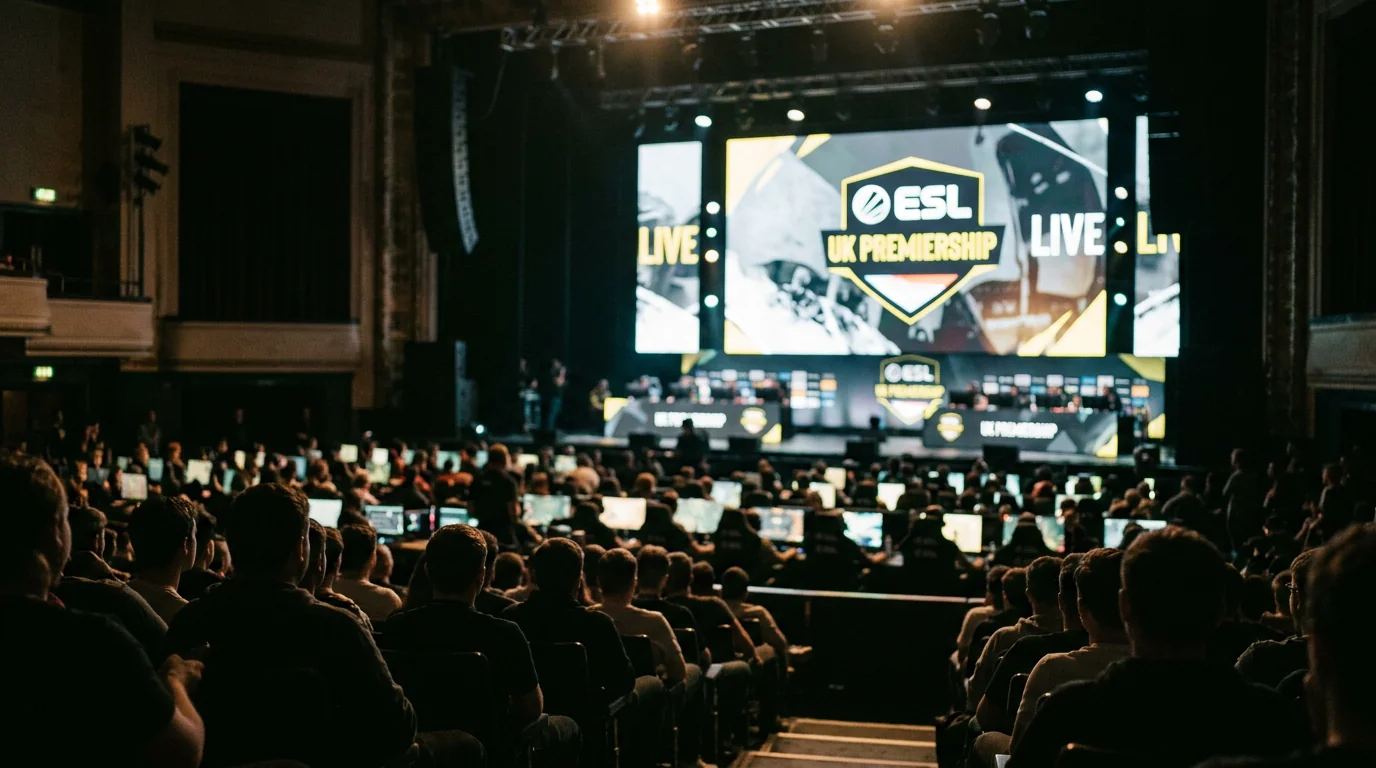
The IEM-BLAST-PGL triangle that has defined competitive CS for three years is genuinely in flux. PGL's expansion into a fourth premier tournament per year has stretched the calendar. ESL's choice to relocate the Spring Major to North America was a defensible bet on audience growth that has not produced the numbers needed to justify the second instance. Falcons and Vitality continue to dominate; everyone else continues to swap places monthly.
For UK audiences, the relevant news is that the next BLAST Premier showpiece does not currently have a confirmed UK leg. The IEM Cologne return is locked in for August. EWC remains the centre of gravity.
The summary
Engine: good. Maps: stale. Economy: bad. Circuit: between cycles. If you had told us in November 2023 the engine and the circuit would be the two healthier of those four eighteen months later, none of us would have believed you. Here we are.