
Fnatic, the UK-headquartered esports organisation that is roughly as old as the modern competitive scene itself, is once again the subject of takeover chatter. Two football organisations — one Premier League, one Bundesliga side that has previously dabbled in Rocket League — are independently said to have been in informal talks with intermediaries about a potential investment or outright acquisition. The reporting was originally broken by a German industry newsletter and has been corroborated, sort of, by two separate people we spoke to this week.
The story is unverified at the time of writing; Fnatic declined to comment when we asked, which is what an organisation in talks of any seriousness would do and also what an organisation not in talks would do. So treat the rest of this with the appropriate scepticism.
Why now
Fnatic's last few years have been a textbook case of an organisation reorienting around shrinking costs while trying not to look like it. The Counter-Strike roster has been competitive but not contending, the League of Legends side has had two strong splits in three years, and the lifestyle apparel arm has been growing reliably without ever quite breaking out into a brand that retailers outside esports will stock. That is a profile that makes the company an interesting target for an acquirer with an existing distribution network — like, say, the merchandise operation of a Premier League football club.
It is also a profile that makes the company an unattractive target if you are looking for instant trophies. Whoever is buying is buying a brand, an audience, and an operational core, not a guaranteed Worlds run.
What would actually change
A football-side acquirer brings two things esports historically lacks: a stable underlying revenue base and a real venue partnership. That is the obvious upside. The less obvious downside is that football organisations, in our experience covering several attempted joint ventures, struggle with the speed and informality of esports operational rhythm. Roster trades happen on Discord at midnight. Coaching staff churn in cycles measured in weeks, not seasons. Player welfare frameworks are still being invented. None of that maps cleanly onto a football back office.
The most successful football-into-esports operations of the past five years (Manchester City's Rocket League work, PSG's Dota 2 partnership before it was wound down) have worked because they were structurally hands-off. A full Fnatic buyout, where the buying side replaces the executive layer, would be a much bigger experiment and not necessarily a better one.
The UK angle
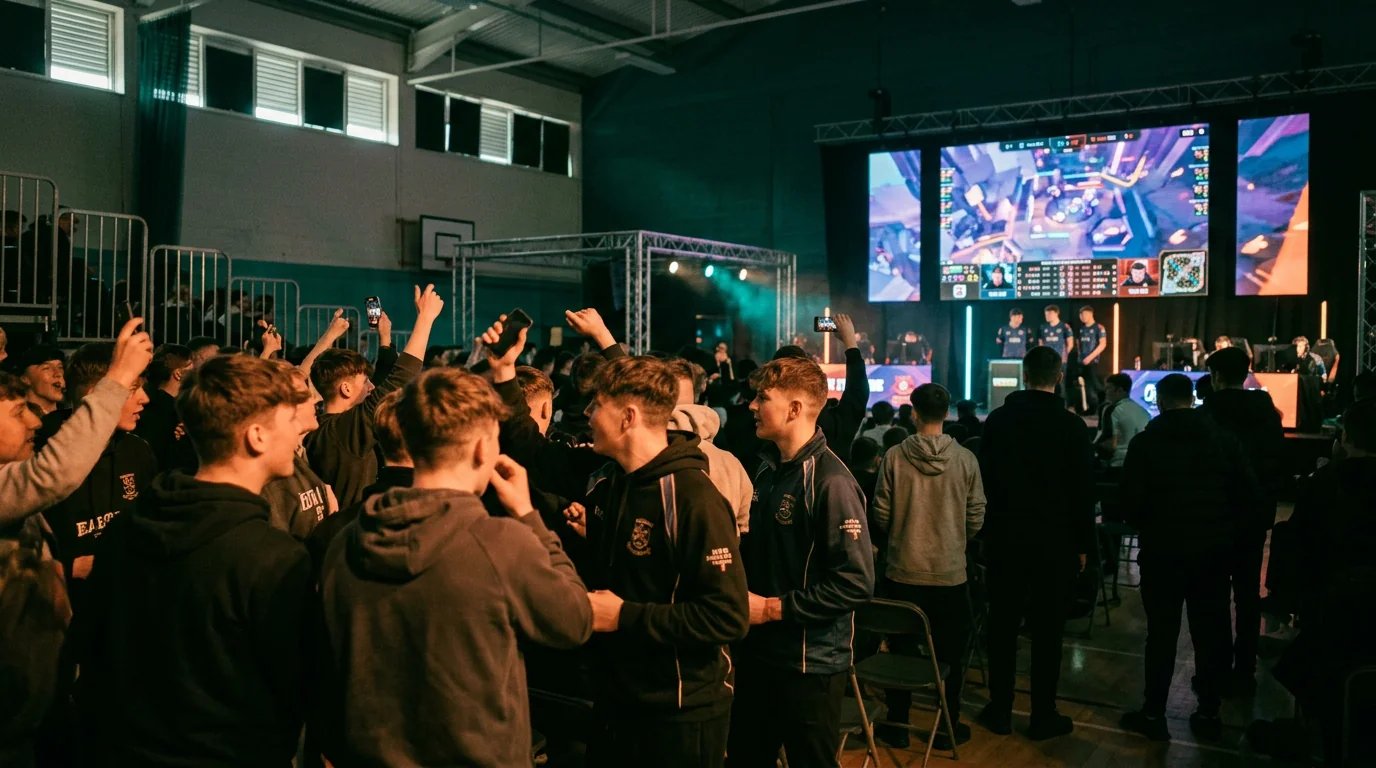
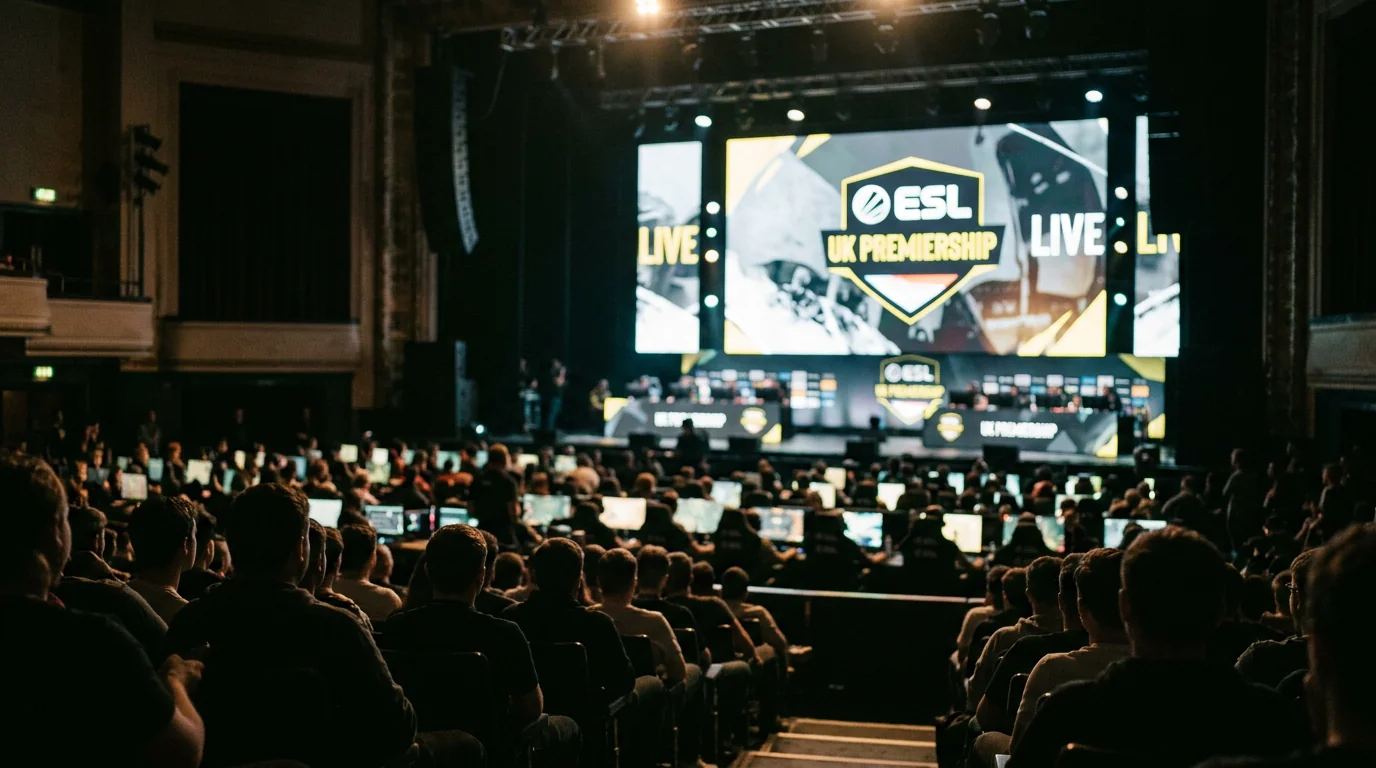
For domestic readers, the most interesting consequence of any acquisition would be Fnatic's relationship with the British scene specifically. The organisation has, to its credit, fielded UK academy players in recent splits and run grassroots events at venues across London and Manchester. None of that is balance-sheet-load-bearing for the parent business, which means it is the kind of activity that gets reviewed in the first ninety days under new ownership. Whether it survives depends entirely on who the new owners are and what they think they're buying.
For now, the official Fnatic position is no comment, and that's as much as anyone outside the building can credibly claim to know. We'll update this piece if and when something firms up.