It would be easy to write off the British scene, again. We've all done it. Twenty-twenty-five was the year that ESL UK Premiership got a third broadcaster, the year EWC London failed to materialise on its first rumoured timeline, and the year three home-grown Counter-Strike players moved abroad inside ten weeks. None of that is encouraging. But the picture in May 2026 is more textured than the doomy headlines suggest, and worth a proper look before we sign the death certificate again.
Start with the easy bit: viewership. The UK figures Twitch shares with rights-holders show domestic average minute audience for English-language CS2 broadcasts up about thirty-eight per cent year-on-year. Some of that is genuine growth, some is the BLAST Premier shift to a friendlier UK timezone, but the line is going the right way for the first time since 2022. The same is true for Valorant Champions Tour EMEA, which a Sheffield bar I went to last weekend was, no exaggeration, full of for the EG-versus-Heretics quarterfinal.
The Premiership question
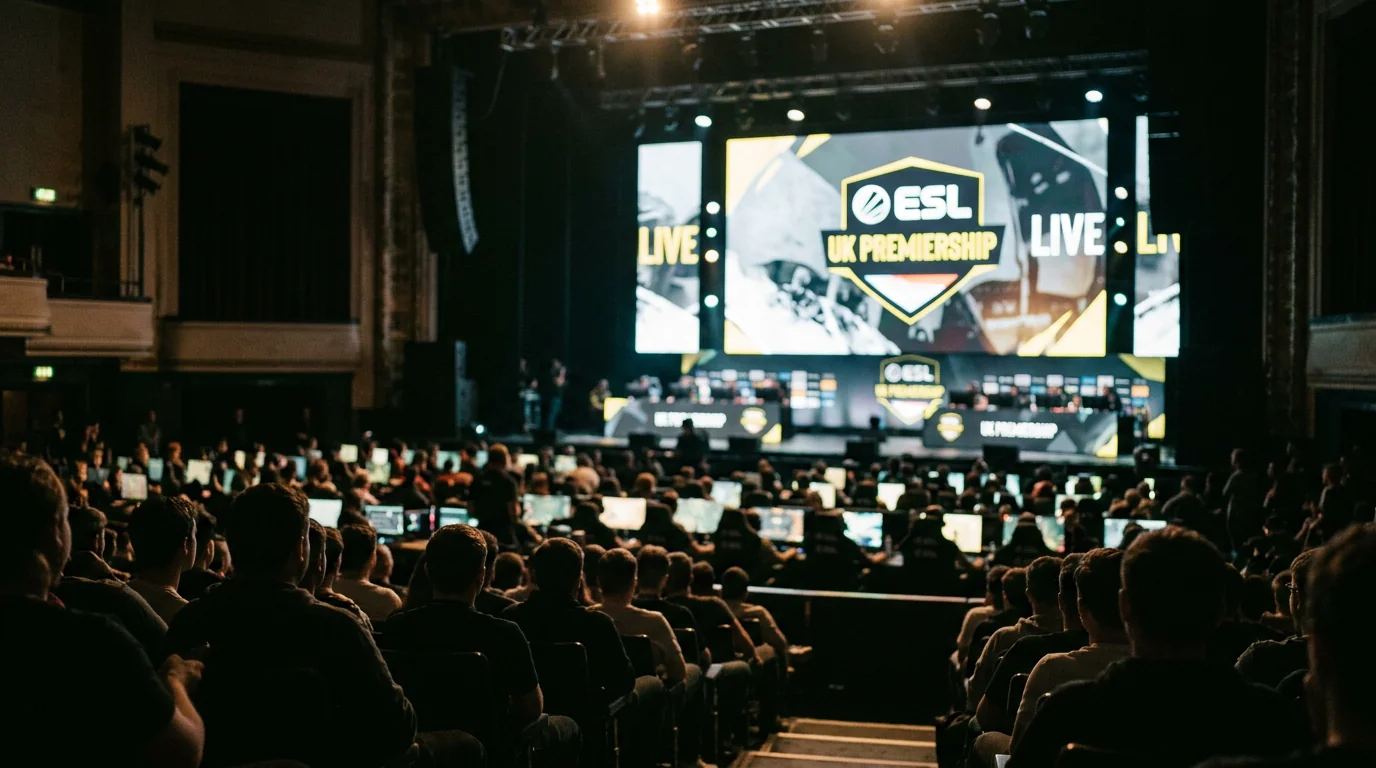
The ESL UK Premiership is where it gets harder to be cheerful. The current Spring split has two fewer organisations than the previous one, and the slot vacated by Endpoint's downscaling was not picked up domestically. The league is real, the production is competent, and the prize pool covers travel for the average team. None of those things make it a viable career path for a 19-year-old aim talent comparing offers from Faceit Pro League and a German tier-two outfit paying eight hundred euros a month. The Premiership has not solved the wage cliff that exists right after academy level.
What it has done is provide a consistent stage. Five years ago that wasn't true. The current generation of casters — most of whom found work via the Premiership pipeline before broadening out — would not exist without it. That is a real thing to defend, even if you wish it was bigger.
The British player pipeline
Two questions get asked at every UK esports panel I attend: where are the British stars, and why are there fewer than five years ago. The answers are connected. Talent is being identified earlier and exported faster. Of the eleven UK-passport players currently on tier-one shooter rosters across CS2 and Valorant, nine moved to a non-UK organisation before turning twenty. The pipeline isn't broken; it's just being drained from the top, because the domestic ceiling is still lower than the European one.
The interesting development in the last twelve months has been MOBA. Caedrel's mid-laner experiment is the showy version of it, but a deeper trend is going on with English-speaking Wild Rift talent at the regional level. Riot's broadcast presence in the UK is bigger than it was a year ago, and a couple of the EMEA Wild Rift teams are running British players. Whether any of this scales is an open question. It is, at least, a question.
What still isn't working
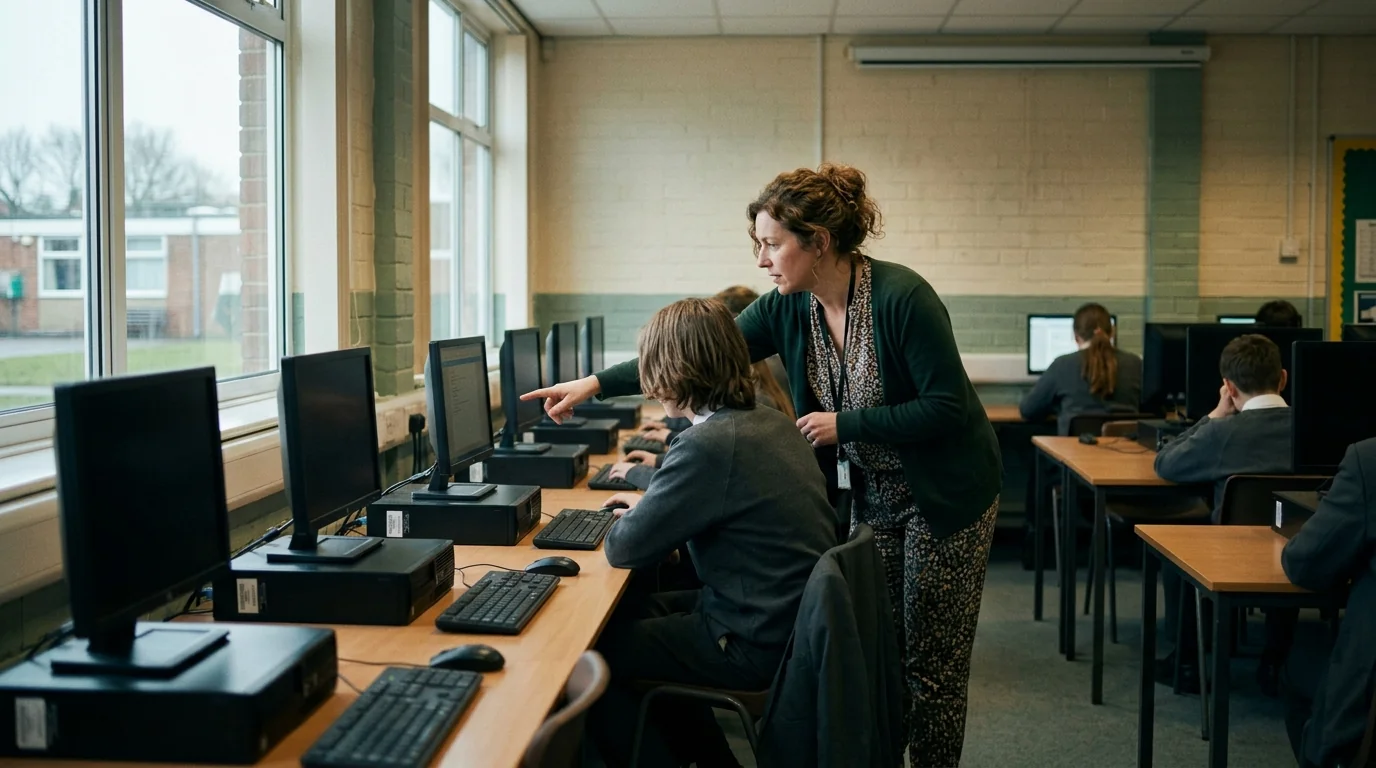
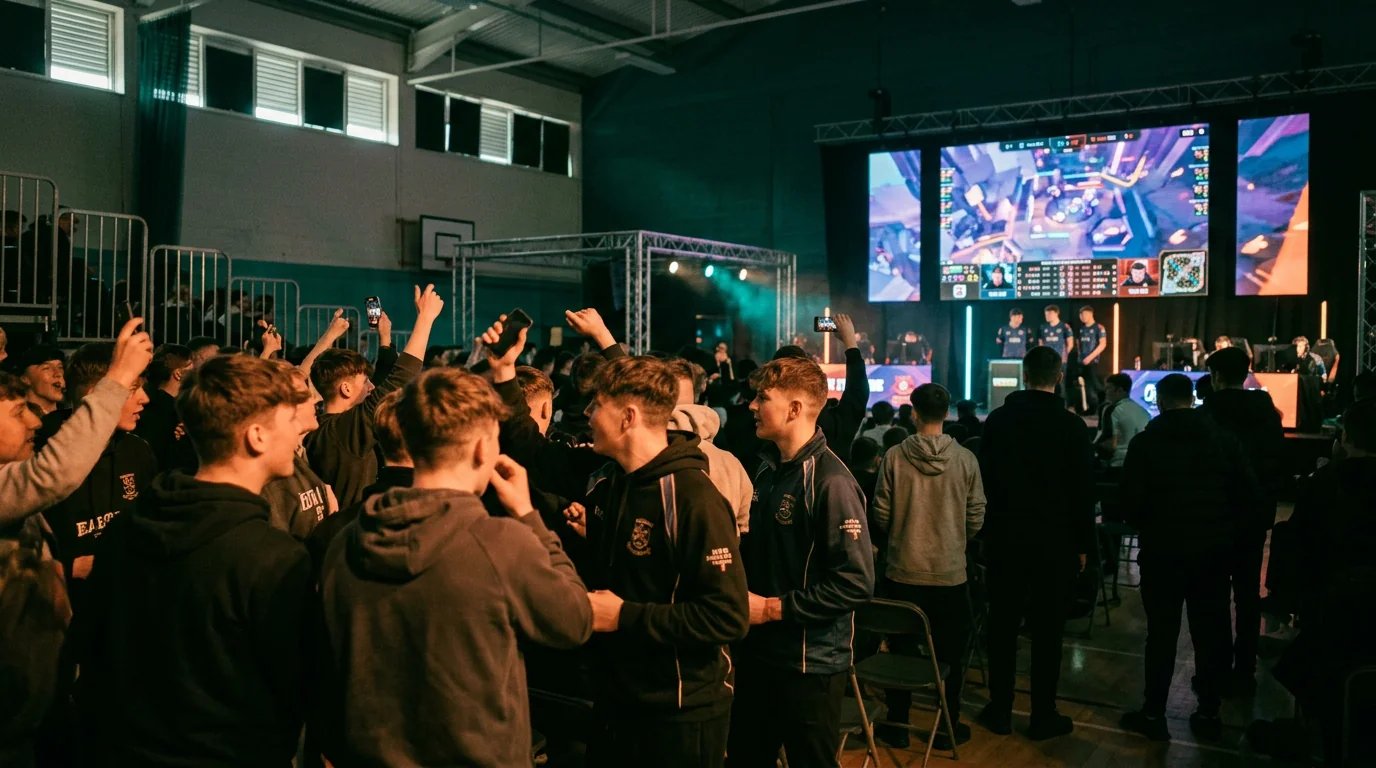
Three things, in order. First, there is no UK federation that operators take seriously. The British Esports Federation has done useful work in schools but has no leverage over publishers, venues, or broadcasters when fixtures collide. Second, venue infrastructure outside London is essentially zero. Any tournament wanting more than a thousand seats has to negotiate with conference centres on a one-off basis, which kills repeatability. Third, the commercial story is still being told to brands that are not gaming-native, and the conversion rate is depressing.
None of these are new. None of them are unfixable. They are also not anybody's full-time job, which is the actual problem.
The quietly hopeful bit
Here is the thing about the scrappy phase: it does end. Italy and Poland spent the late 2010s in functionally identical positions to where Britain sits now — tier-one talent leaving, no anchor tournament, broadcast deals patched together — and both rebuilt around a single league with consistent venue commitments. Whether anyone has the capital and patience to attempt the same here is the question every conversation eventually returns to. The answer for 2026 is probably no. The answer for 2027 might be different, and that is more than we could honestly say two years ago.