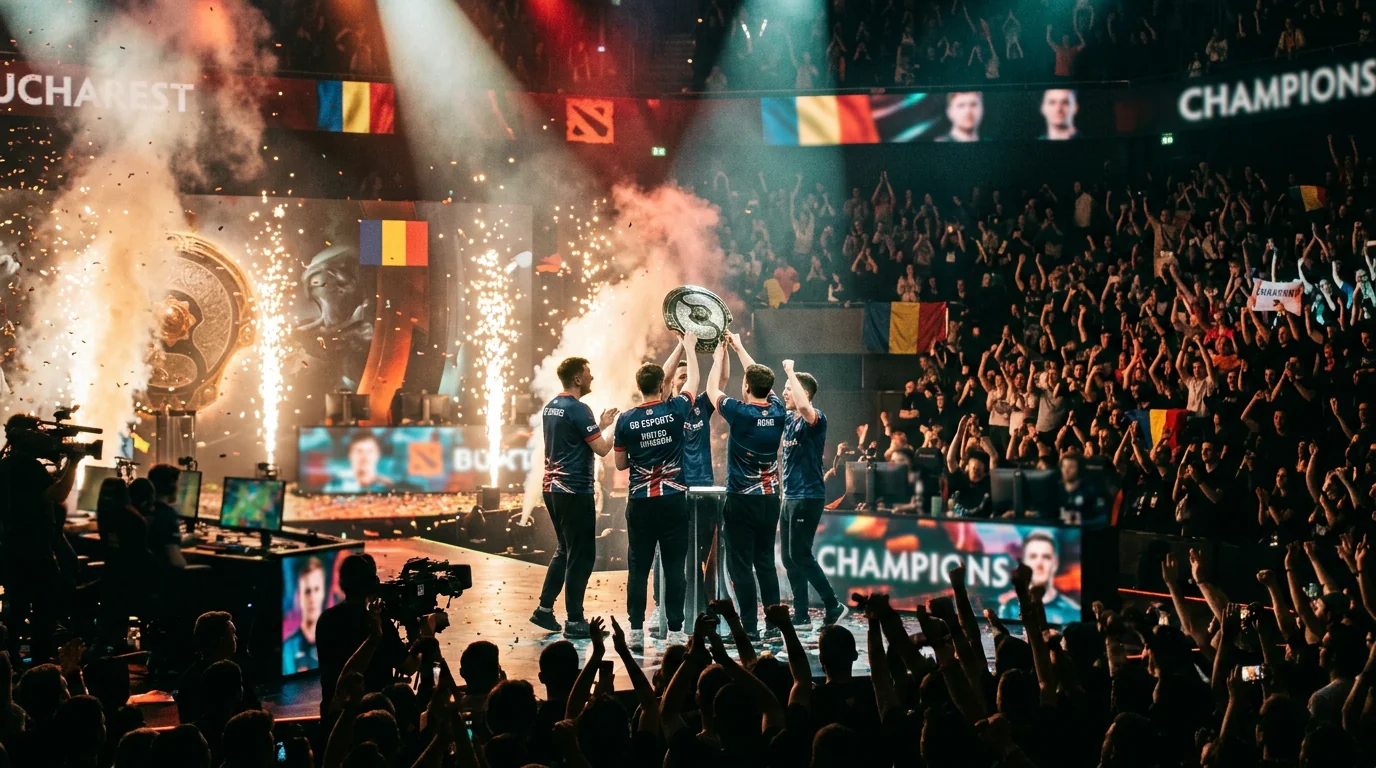
PGL Wallachia Season 8, the first $1m Dota 2 LAN of the spring, ended on Sunday with Team Falcons lifting the trophy in Bucharest and the prize pool distributed across the eight bracket teams. The headline is simple — the reigning International champions look as composed as they did last September. The interesting bits are everywhere else.
Falcons did the unfashionable thing and won the Swiss
The Swiss stage was meant to be where Wallachia produced its drama, and for the first half of the week it did. Aurora and Tundra both went 1–2 inside the first three rounds and ended up playing best-of-three elimination series two days earlier than their seeding would suggest. NAVI dropped a series to Yandex that was, in fairness, closer than the 2–0 scoreline. The pattern by the end of Tuesday was the one we have now seen at three consecutive PGL stops — the format does not let a slow start go unpunished, and even the favourites have to work.
Falcons opened the same way as everyone else, lost their first Bo1 to Talon, and then produced six straight wins in a row to take the Swiss outright. That second number is the one to keep on file. Six straight in a Swiss stage where every match is a Bo3 from round three onwards is the kind of run that does not happen by accident, and it gave them top seed into the playoff bracket without burning a draft.
Aurora’s losers’ run was the highlight reel
If the question is which team produced the most watchable Dota of the tournament, the answer is Aurora and it is not particularly close. After losing the upper bracket semi-final to Falcons on Friday, they came back through the lower bracket the way you are taught to do it on paper but almost never see in practice: three Bo3 wins on the same day, two of them reverse sweeps, against teams who had every right to expect to finish higher than they did.
The Tundra series in particular is going to be the one people watch on replay through TI quals. Aurora dropped game one in twenty-six minutes, won game two in fifty-one, and then closed out a thirty-eight-minute game three off the back of a draft that paired their carry with a position-four hero almost no top team has touched in 7.39d. The bracket viewers I spoke to in Bucharest were, to a person, surprised it worked. It worked because Aurora’s mid and offlaner gave that draft enough of a window to live inside, which is the kind of sentence you only ever write about top-tier MOBA play.
“We lost the first game and the second draft was just the team we had wanted to be all week. That is the honest version.” — Aurora team captain, post-match interview
The final standings and prize split
| # | Team | Region | Prize (USD) |
|---|---|---|---|
| 1 | Team Falcons | MENA | $300,000 |
| 2 | Aurora | EEU | $170,000 |
| 3 | Tundra Esports | WEU | $120,000 |
| 4 | NAVI | EEU | $90,000 |
| 5–6 | Xtreme Gaming | China | $70,000 |
| 5–6 | Yandex Cyber | EEU | $70,000 |
| 7–8 | Talon Esports | SEA | $45,000 |
| 7–8 | Rekonix | WEU | $45,000 |
Three matches worth catching on VOD
- Aurora 2–1 Tundra (lower bracket round 3). The reverse-sweep that defined the weekend. Game three is forty-two minutes of Aurora playing a draft most analysts had pencilled as a coinflip and turning it into a controlled win.
- Falcons 2–0 NAVI (upper bracket final). Less dramatic, more instructive. Falcons sat on a defensive ban set, refused to contest mid-priority objectives, and won both games on map state by minute thirty. A clinic in not playing the opponent’s game.
- Xtreme Gaming 2–0 Yandex (Swiss round five). The series that put Xtreme into the playoffs and is the one Chinese org Dota nerds will quote when arguing whether the region’s solo-lane core is back. The position-one performance in game two is the clip.
What this changes for TI16
The International 16 invitations have not been confirmed but the maths from this tournament tightens the picture considerably. Falcons, NAVI and Tundra were always going to be direct invites and Wallachia did nothing to change that. Aurora’s second-place finish lifts them into the conversation for a direct slot rather than a regional qualifier, which is the single biggest seeding move of the weekend. Xtreme Gaming’s top-six is what their China-region case needed.
For the bottom half of the bracket and the teams who never made it past Swiss, the next two months are about the qualifier circuit and not much else. The next thing to watch is straightforward: whether Aurora can repeat the level they hit on Saturday night at ESL One Birmingham in three weeks, because if they can, this stops being the tournament where they finally turned a corner and starts being the year they were always supposed to have.