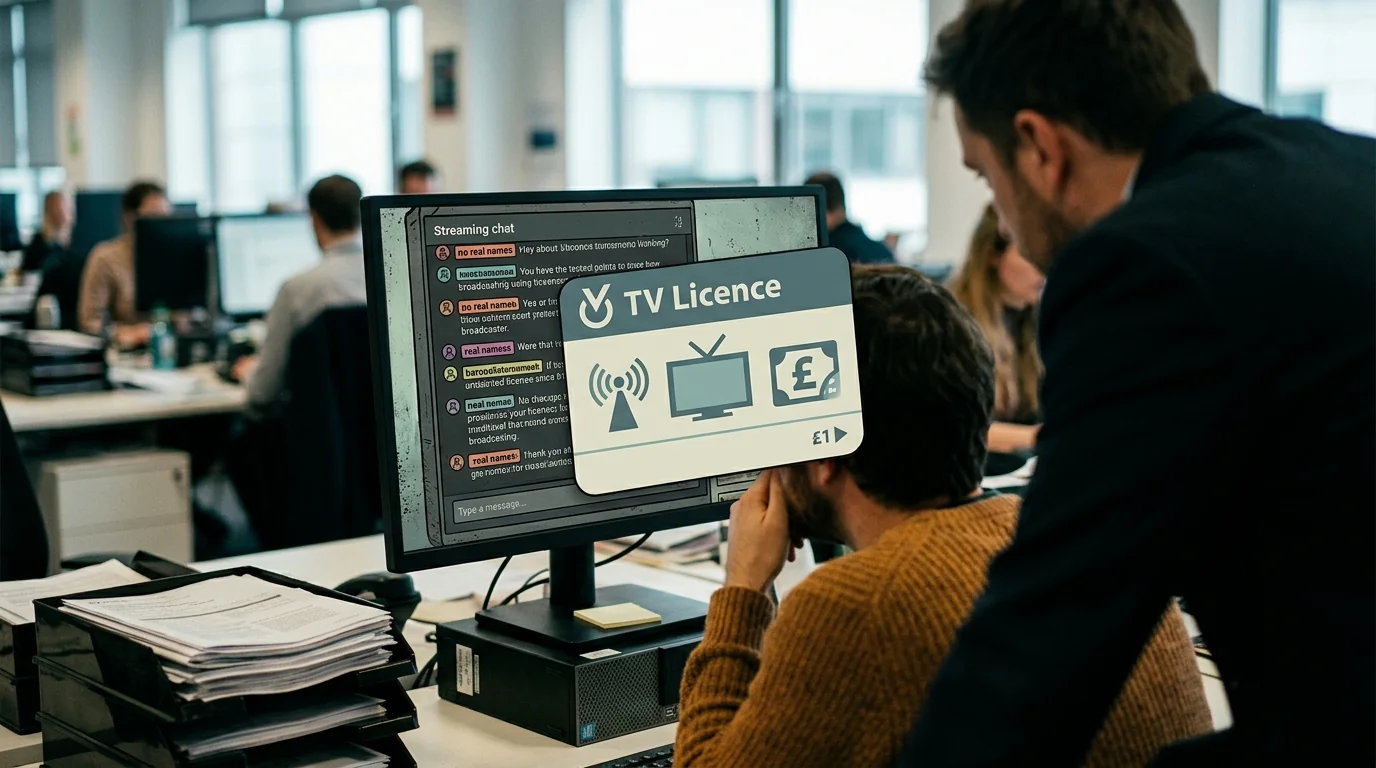
TV Licensing — the BBC-affiliated body that enforces the UK TV Licence — released an updated position note this week clarifying when viewing live Twitch streams requires a Licence under existing legislation. The note is the third such clarification since 2022 and, like the previous two, manages to leave the practically important questions unanswered.
What the note actually says
The full text is on the TV Licensing website, but the operative sentences are these: (1) a Licence is required to watch any live broadcast as it is being aired; (2) Twitch streams meet the definition of "live broadcast" when they are being streamed in real time; (3) on-demand viewing of past streams does not require a Licence. Nothing in those three sentences is new. The novelty is that the note now explicitly names Twitch (and Kick, and YouTube Live) rather than relying on the general "live broadcast" definition.
What it does not say
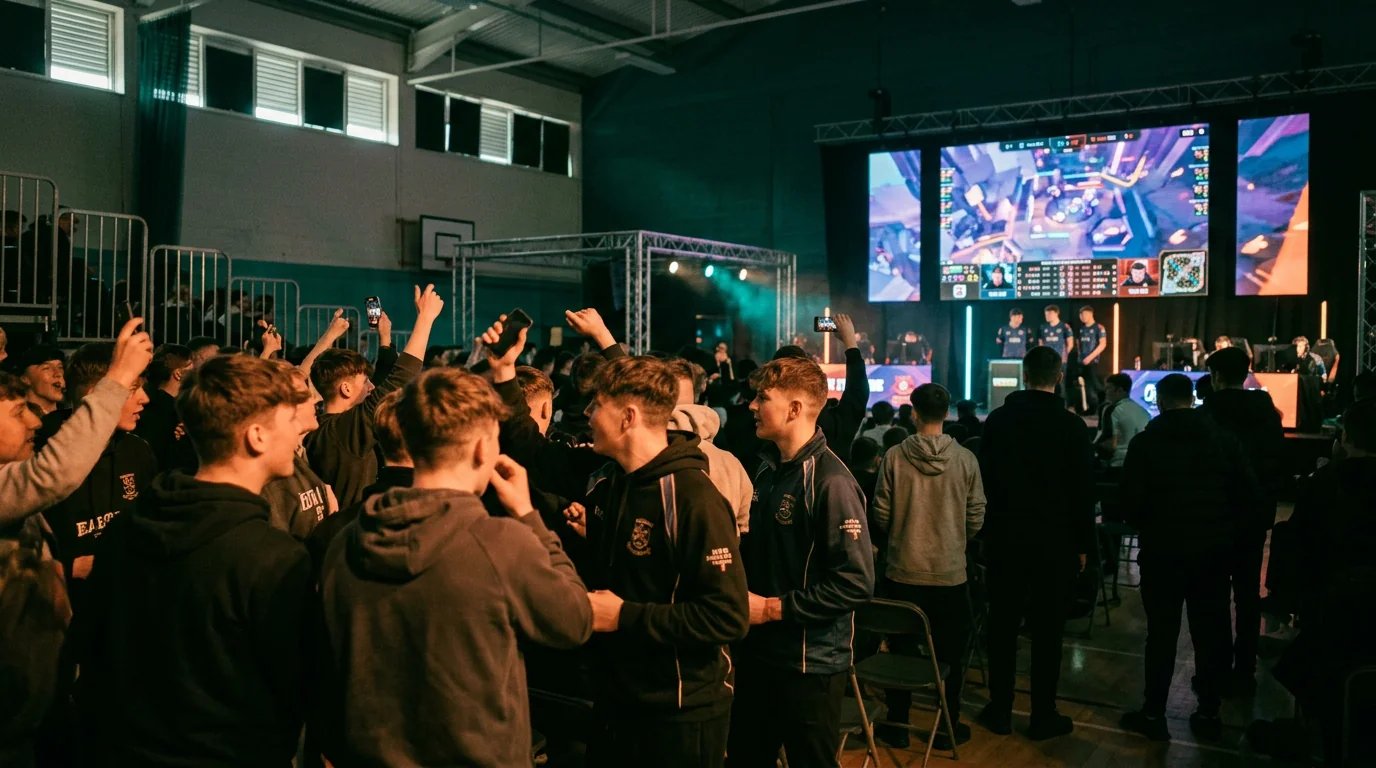
The note does not address the awkward edge cases that account for most of the genuine ambiguity. Specifically: (a) whether watching a live Twitch stream that is broadcasting tournament footage with a delayed audio-video feed counts as "live" or "on-demand"; (b) whether watching a re-streamed clip from a live broadcaster (very common in esports coverage) constitutes a separate live broadcast; (c) what the enforcement standard for an individual viewer actually is, given that there is no practical way for TV Licensing to know what tab is open on someone's computer.
The closest the note comes to addressing the third point is a single sentence noting that TV Licensing relies on "voluntary compliance and reported information". That is roughly what was said in 2022.
What it means practically
For the average UK Twitch viewer, the practical legal position has not changed in the slightest. If you watch live streams as they happen, you require a TV Licence. If you do not, you do not. That has been true since the legislation was written and remains true now.
What has changed is the visibility of the position, and that visibility is going to have a chilling effect on UK casual viewership over the next few months. We have already seen two prominent UK-based streamers post advisory notes to their viewers about checking licence status. Whether that scales into a measurable drop in UK live viewership for the next major tournament cycle is the empirical question worth tracking.
The wider context
The BBC's position is structurally awkward. The TV Licence framework was built for a broadcast world where the question of whether a given household was watching live or on-demand was answered by what equipment they owned. That framework has not aged well into the streaming era, and successive TV Licensing communications have been visibly attempting to retrofit the law onto a media landscape it was never designed to govern. The current Department for Culture, Media and Sport consultation on Licence reform is the most credible chance in a decade of properly modernising the rules. Whether it actually delivers, given the politics, is another matter.
In the meantime, if you watch Twitch live in the UK, you need a TV Licence. The 2022 advice was correct. The 2024 advice was correct. The 2026 advice is correct. Nothing has changed except the BBC's willingness to name the platforms in question.