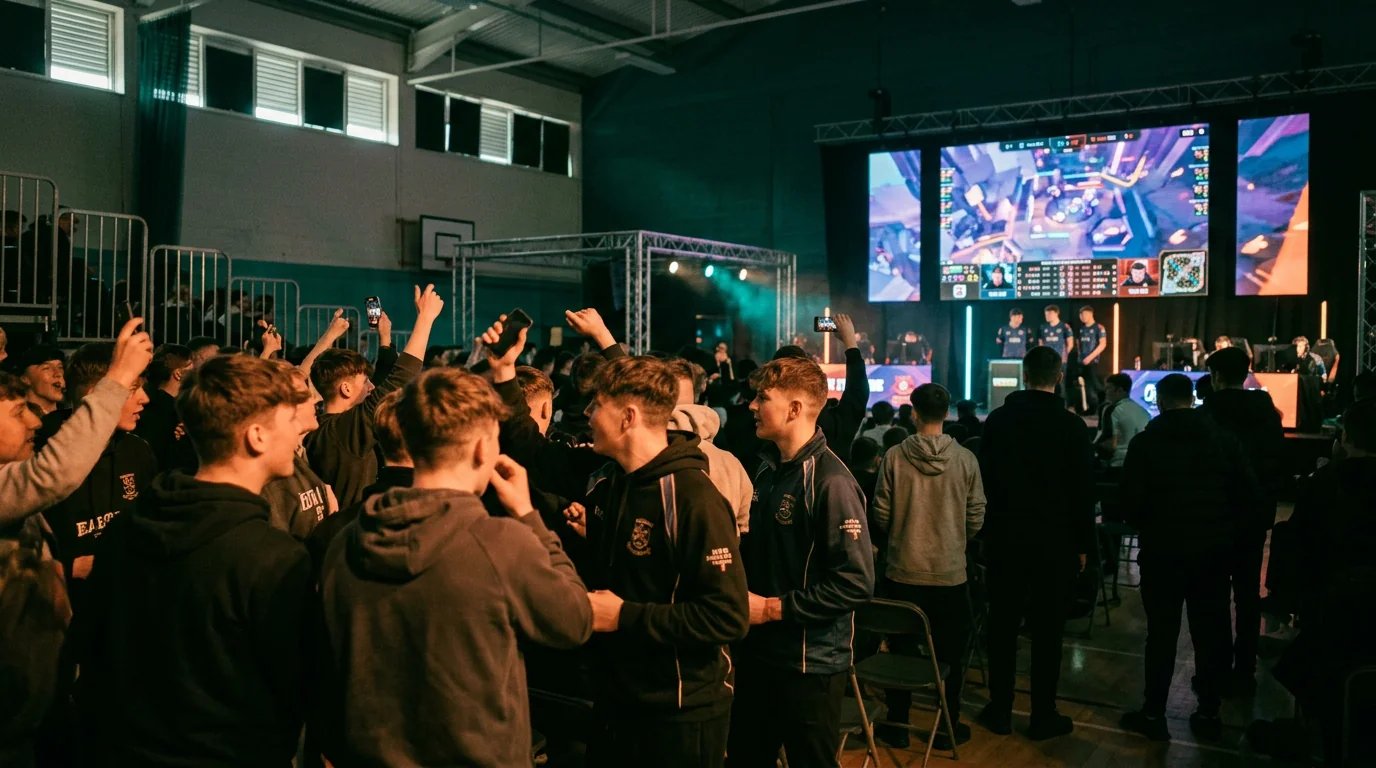
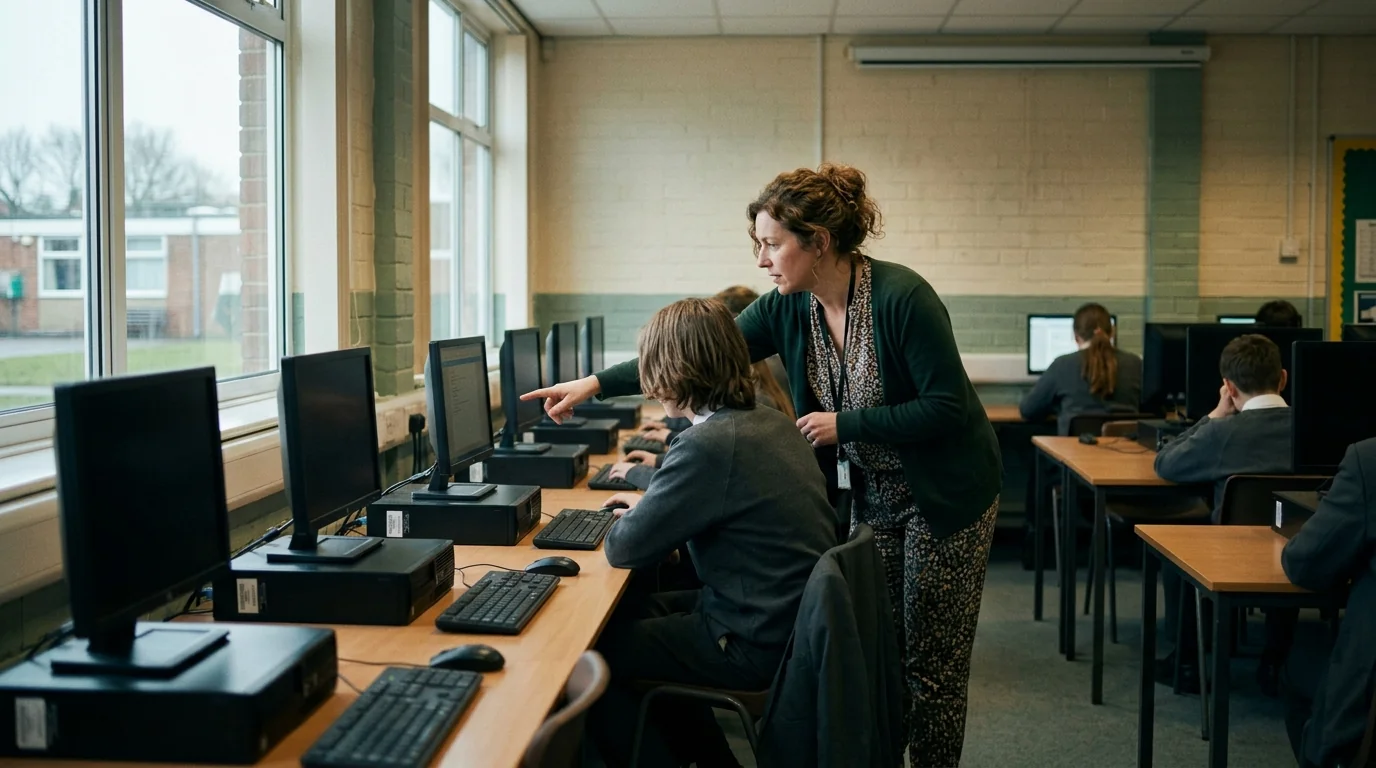
Every time the British Esports Federation publishes a curriculum-engagement update, someone in the comments asks whether we are going to replace rugby with Fortnite, and the conversation immediately stops being productive. So let me try a different framing. There is a case for esports in school PE that does not require pretending Fortnite is rugby, and that does not require devaluing traditional sports. I think it is the case worth making, and worth making clearly.
What the actually-being-proposed thing looks like
The current pilots — about forty UK schools running esports as part of structured extracurriculars, with seven of them treating it as a PE-adjacent timetabled activity — are not asking for Fortnite to replace rugby. They are asking for one of: (a) recognised competition pathways feeding into school-versus-school regional brackets, (b) coursework credit for KS4 and KS5 students competing at recognised level, or (c) a curriculum slot that pairs game-based competition with the operational learning around it (broadcast, captaincy, performance analysis, recovery practices).
Option (c) is the one that interests me, and the one I think is genuinely defensible.
The operational case
Esports as a curriculum activity teaches a stack of operational skills that traditional school sport teaches well and that classroom learning does not. Captaincy and decision-making under time pressure. Performance analysis from recorded footage. Recovery and routine management — the cohort of pro players who have publicly burned out before twenty-three is now a real data set. Broadcast production for the small subset of students who want to learn it. Officiating and ruleset understanding.
None of those skills are unique to esports. All of them currently get developed inside school football and rugby programmes for the subset of students who play. The case for esports in PE is that it extends those development opportunities to a wider demographic, including the substantial group of students who do not naturally take to traditional team sports but who do take to competitive structures.
The honest limitations
I want to be honest about the bits this case does not cover. Esports does not deliver the cardiovascular and physical-development benefits that traditional PE is, ultimately, meant to deliver. Anyone arguing that it should replace traditional PE rather than supplement it is wrong, and the framing damages the broader case. The right comparison is not rugby; it is the existing supplementary activities (chess, debate, performing arts) that schools already credit for the soft-skills development they produce.
The other limitation is duty-of-care. Putting structured competitive gaming into a school timetable creates a screen-time obligation the school owns. Any serious version of this has to come with mandatory rest periods, no-screen warm-downs, and a strict separation between curriculum esports and recreational gaming. The pilots that have worked have understood this. The pilots that have struggled have not.
What needs to happen next
The British Esports Federation needs a credentialed coaching qualification that schools and local authorities can recognise, similar to the Level-1-and-2 structure for traditional sports. There has been talk of this for two years. Nothing has shipped. Until it does, the curriculum case is going to remain stuck at the pilot stage, and the conversation will continue to be derailed by the rugby-versus-Fortnite framing.
None of this is a quick win. It is, however, the version of the argument that can be made with a straight face to a head teacher who has thirty-seven other claims on the timetable. That is the version worth working on.